

All-Season Tyres
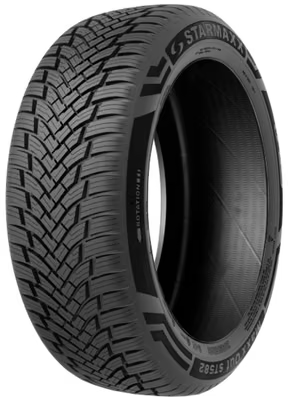
All-season tyres combine features of summer and winter tyres, so you can drive on them all year without changing sets. They suit drivers with low annual mileage, mostly in town, in areas with mild winters. Choose models with the 3PMSF marking, which shows the tyre has passed a snow grip test. Read the guide
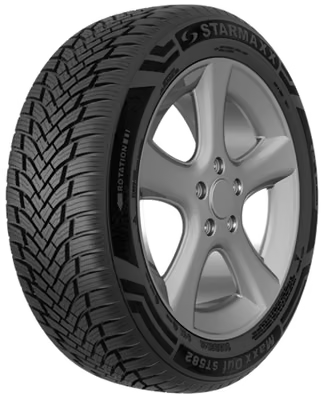


 M+S
M+S
M+S
M+S
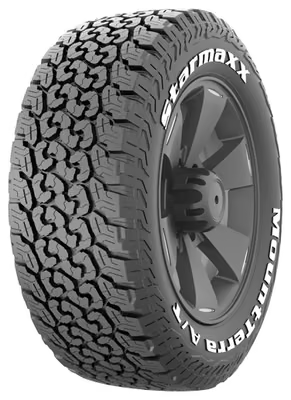 M+S
M+S
M+S
M+S
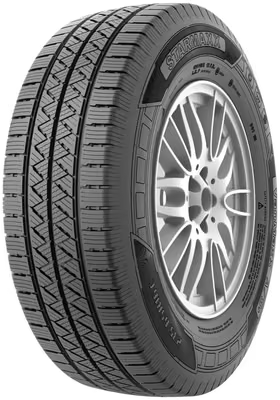 M+S
M+S
M+S
M+S
M+S
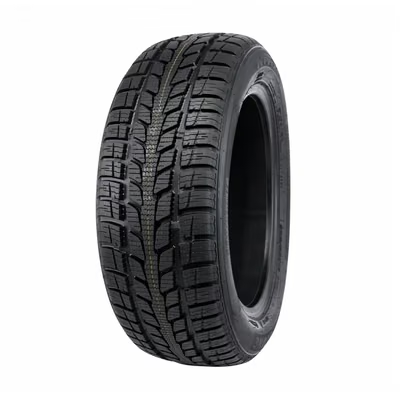
 M+S
M+S
M+S
M+S
 M+S
M+S
M+S
M+S
M+S
M+S
M+S
Who all-season tyres suit
An all-season tyre is a compromise: in summer it cannot match a good summer tyre, and in harsh winter conditions it cannot match a good winter tyre. It makes sense if you:
- drive mostly in town and on shorter trips,
- cover few kilometres a year,
- can leave the car at home during a snowstorm,
- want to avoid seasonal changes and storing a second set.
If you often drive long distances, in the mountains or in regions with long, snowy winters, two sets are the better choice: summer tyres and winter tyres.
Why look for the 3PMSF marking?
Many all-season tyres have M+S on the sidewall, but that is a manufacturer's claim with no mandatory test. Only a tyre that meets the snow grip requirements of UN Regulation No. 117 may carry the 3PMSF marking, so it is 3PMSF, not M+S alone, that tells you how capable the tyre is in winter. Such a model also shows the snow grip pictogram on its EU label. Our article on 3PMSF goes into more detail.
All-season tyres and the law
Poland has no requirement to use winter tyres, so all-season tyres can be used legally all year round. They are subject to the same rules as any other tyre, including the minimum tread depth and matching construction and tread pattern on both wheels of an axle (§ 11 of the Regulation on the technical conditions of vehicles, in Polish).
Looking after all-season tyres
All-season tyres never get a season off in storage, so check the tread depth regularly and measure the pressure when the tyres are cold. Grip on snow declines as the tread wears, so before winter make sure there is enough left – at least 4 mm is generally recommended. Before a winter trip abroad, check the rules of the country you are heading to, as tyre requirements differ from country to country. It is also worth knowing how old your tyres are – the DOT code shows the production date.