

Winter Tyres
Poland has no legal requirement to use winter tyres, but in low temperatures, on snow and in slush they give clearly better grip than summer tyres. Studded tyres are banned on Polish roads. When buying new tyres, look for the 3PMSF marking; on your current set, check the tread depth. Read the guide
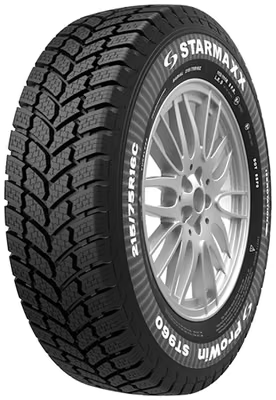


 M+S
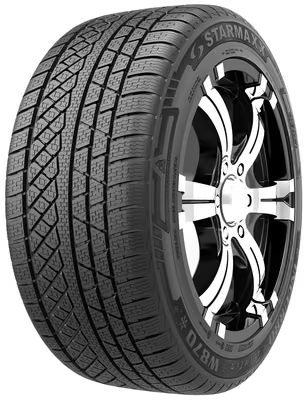 M+S
M+S
 M+S
M+S
M+S
M+S
M+S
M+S
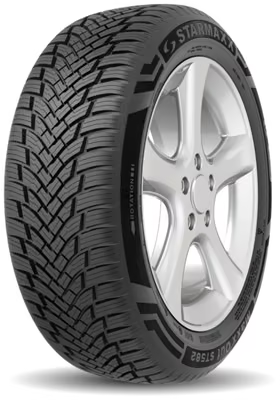 M+S
M+S
M+S
M+S
M+S
M+S
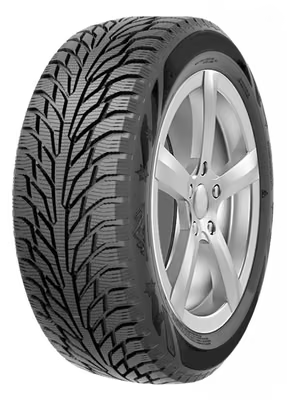 M+S
 M+S
M+S
M+S
M+S
M+S
 M+S
 M+S
 M+S
Winter tyres: what Polish law says
- There is no general requirement to use winter tyres – neither from a set date nor in particular weather conditions. However, a vehicle must be built, equipped and maintained so that using it does not endanger safety (Road Traffic Act, Article 66(1)).
- Using tyres with permanently fitted anti-skid elements, i.e. studded tyres, is prohibited. For cars, the only exception is winter rallies and races held with the road authority's consent.
- Snow chains may be used only on snow-covered roads. On a road marked with the C-18 sign (snow chains compulsory), drivers of motor vehicles must fit them to at least two driving wheels; the C-19 sign ends the requirement.
- The minimum tread is the same as in summer: a tyre must not be worn down to its TWI indicators or, without them, have less than 1.6 mm of tread.
- Tyres marked as snow tyres under UN Regulation No. 117 need not be suitable for the car's maximum speed, provided they are rated for at least 160 km/h and a warning of their maximum speed is placed in the vehicle where the driver can clearly see and read it.
Sources (in Polish): Road Traffic Act (Articles 60 and 66), Regulation on the technical conditions of vehicles (§ 11), Regulation on road signs and signals (§ 42).
When to fit winter tyres
This is a recommendation, not a legal duty: fit winter tyres once the average daily temperature drops below about 7°C and night frosts begin – before the first snow. Although the legal minimum is the TWI level (1.6 mm), a tyre's grip on snow declines as the tread wears, so replacing winter tyres at around 4 mm is generally recommended. Details are in our guide on when to change tyres in Poland. Where winters are mild and annual mileage is low, all-season tyres with the 3PMSF marking can be an alternative.
3PMSF, M+S and the ice grip symbol
A tyre may carry the 3PMSF pictogram – a snowflake inside a three-peaked mountain – only once it has passed the UN Regulation No. 117 snow test, and its EU label then shows the same symbol. M+S, by contrast, is simply the manufacturer's own marking, with no mandatory test behind it. The ice grip symbol is found on tyres designed for Nordic conditions – roads covered with ice and packed snow in severe frost. On wet roads and in milder weather they usually perform worse, so if winters where you live bring frequent thaws, a tyre without this symbol is often the better choice. 3PMSF and M+S are compared in our article on what 3PMSF means.