

Summer Tyres
Summer tyres have a rubber compound and tread pattern designed for the warmer months: they grip well on dry roads and clear water effectively in the rain. In Poland the driver decides when to fit them, as the law sets no date for changing tyres. Below we explain when to switch and what to look for when choosing. Read the guide
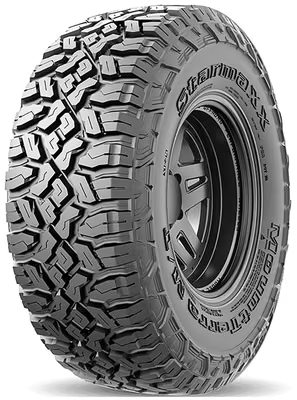


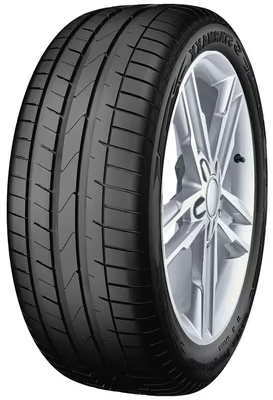
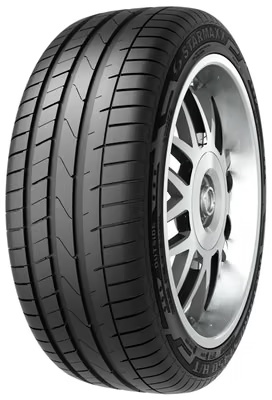
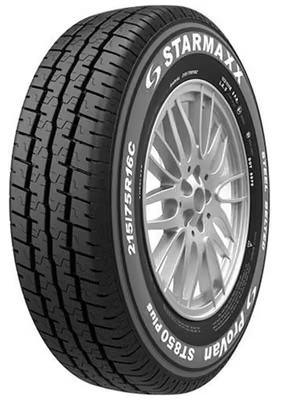

When to fit summer tyres
A common rule of thumb is to fit summer tyres once the average daily temperature has stayed above about 7°C for several days in a row and no more frosts are forecast. In the cold, a summer tyre's compound hardens and loses grip, while a winter tyre wears faster and brakes less well in the heat. See our guide to changing tyres in Poland. If you would rather not store a second set, have a look at all-season tyres.
What to look for
- Wet grip – the EU label class (A–E) shows how short the braking distance is on wet tarmac. With heavy summer downpours this is one of the most important ratings.
- Fuel efficiency (rolling resistance) – a better class means lower fuel consumption or a longer range for an electric car.
- Noise – the decibel value helps you compare tyres if you spend a lot of time on longer journeys.
- Load index and speed rating – never lower than the values in your car's documentation. The XL, HL and C markings are explained in our guide to load markings.
Summer tyres and the law
- A tyre must not be worn down to its tread wear indicators (TWI); if it has none, the tread must be at least 1.6 mm deep.
- Tyres of different construction or with a different tread pattern must not be fitted on the same axle.
- The tyres' load capacity must match the wheel load, and the tyres must be suitable for the vehicle's maximum speed. Pressure should follow the manufacturer's recommendations for the tyre and the vehicle's load.
Source (in Polish): § 11 of the Regulation on the technical conditions of vehicles and the scope of their necessary equipment.
When to replace worn tyres
1.6 mm, the level of the TWI indicators, is the legal minimum, not a safe limit. The shallower the tread, the less effectively a tyre clears water and the greater the risk of aquaplaning, which is why replacing summer tyres at around 3 mm is often recommended. Check the tyre's age too: rubber hardens over the years even when there is plenty of tread left. The production date is part of the DOT code, explained in our article on tyre age. For autumn and winter, take a look at our winter tyres.