

Wheels
A wheel fits your car only when several dimensions match at once: diameter and width, bolt pattern (PCD), ET offset and centre bore. Below we explain what they mean and what to bear in mind when changing wheel size. Read the guide
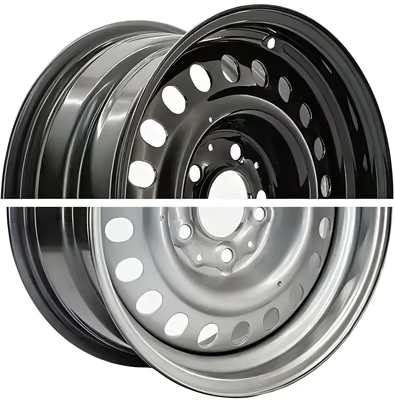

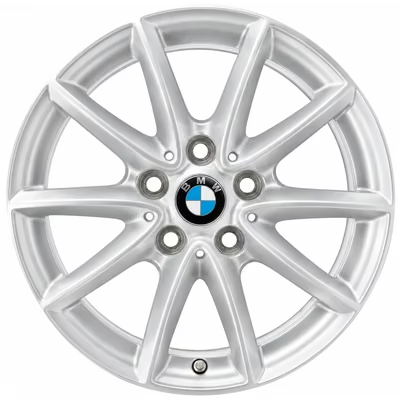

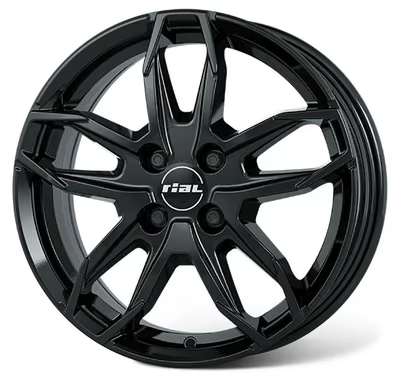

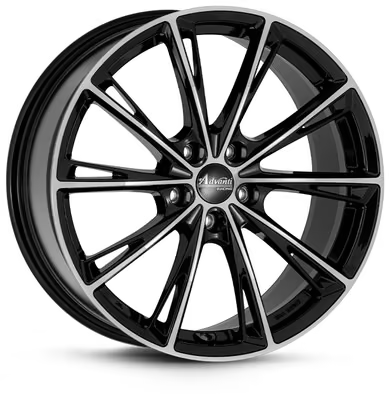

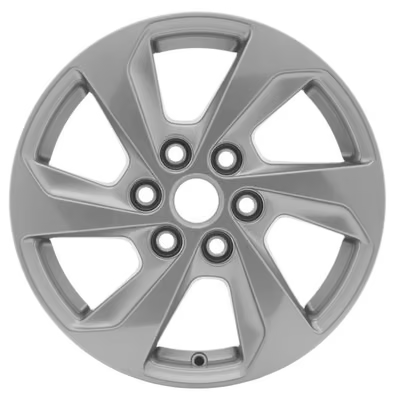

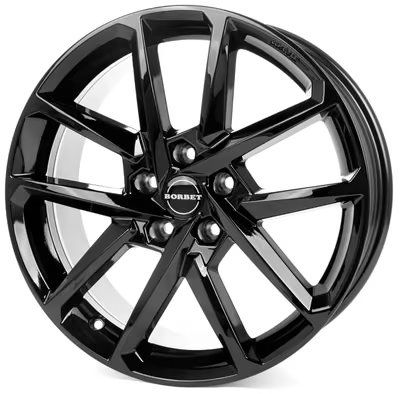
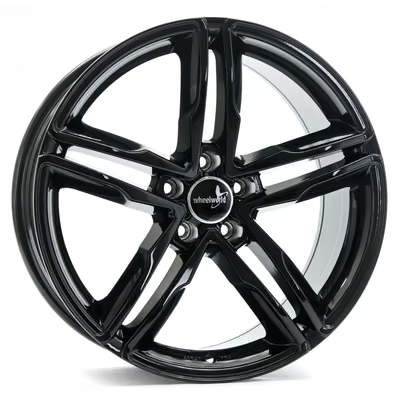

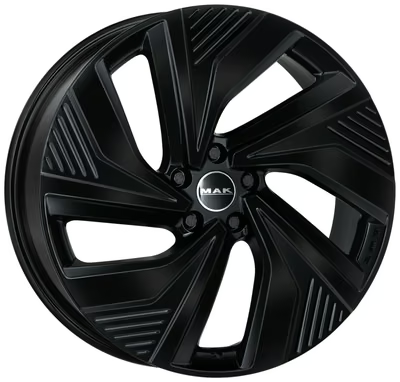

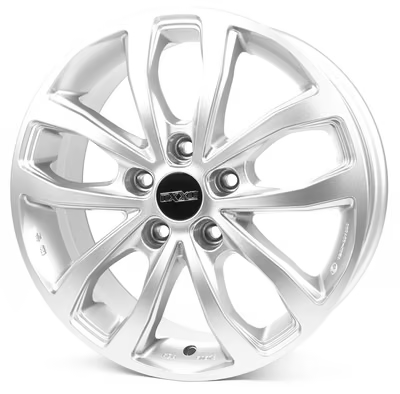
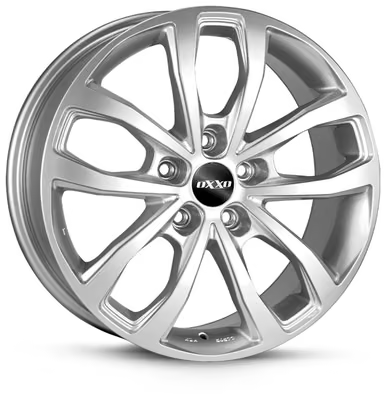
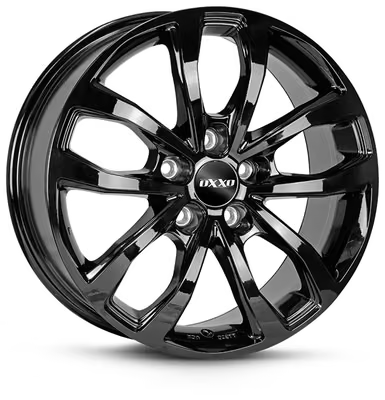
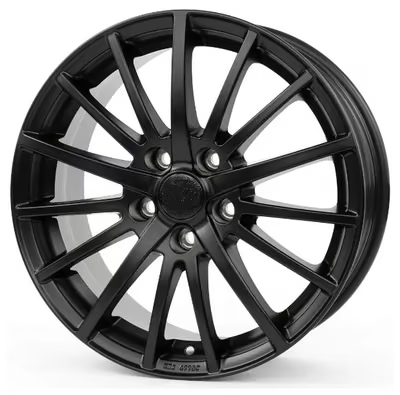
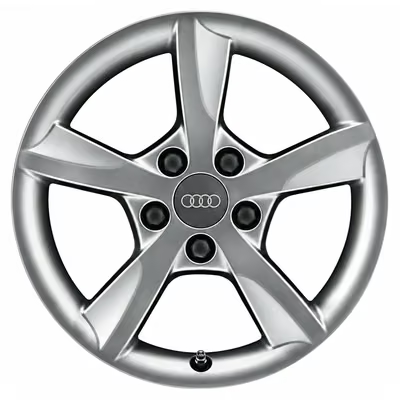

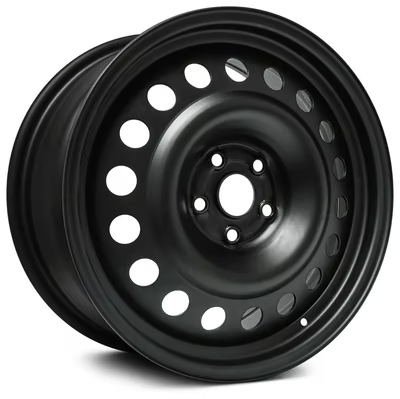
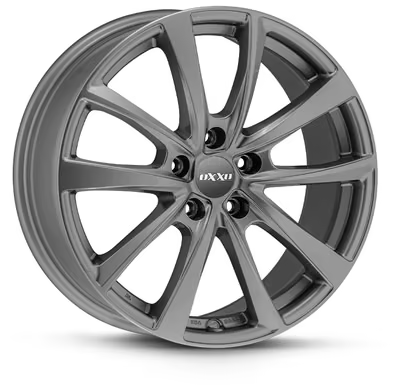
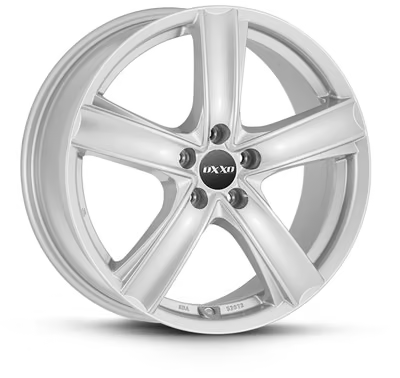
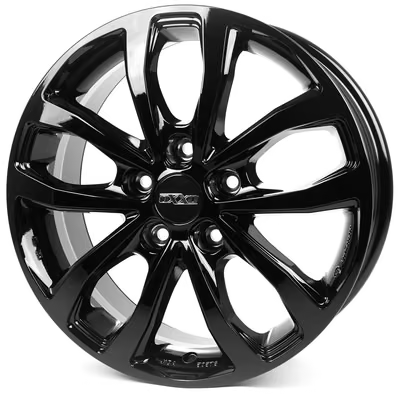
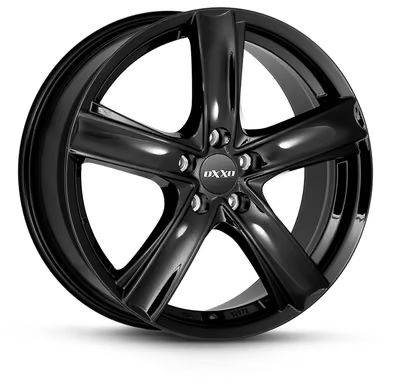
Reading the wheel markings
- Width and diameter are given in inches, for example 7Jx17: 7 is the width, J the rim flange profile and 17 the diameter, which must match the tyre’s rim diameter.
- PCD (bolt pattern) is the number of bolts and the diameter of the circle their holes sit on – 5x112 means five bolts on a circle 112 mm across.
- ET offset is the distance in millimetres between the surface that sits against the hub and the centre line of the wheel. The higher the ET, the further the wheel sits inside the wheel arch.
- Centre bore must be equal to or larger than the hub diameter; any gap is filled with a hub-centric ring.
Bolts, nuts and pressure sensors
The seat of the bolt or nut – conical, spherical or flat – must match the seat in the wheel, so the bolts from factory wheels do not always suit other wheels. Wheels are tightened with a torque wrench to the value given by the car manufacturer. If your car has tyre pressure sensors (TPMS) inside the wheels, a second set of wheels will need them too, or the warning light will come on. When building a set with winter tyres, remember that road salt encourages corrosion, so wash wheels used in winter regularly.
Changing wheel size and the law
The safest choice is a wheel size approved by the car manufacturer – the tyre and wheel combinations are listed in documents such as the EC certificate of conformity (CoC). The tyre on a new wheel must have a load capacity and speed rating suited to the car, and the mudguards or other body or chassis parts must be at least as wide as the tyre – so the tyre must not stick out beyond the mudguard (§ 11 of the Regulation on the technical conditions of vehicles, in Polish). The ‘By vehicle’ search on the home page suggests matching wheel sizes, tyres have their own category, and the sidewall markings are explained in our guide to construction markings.